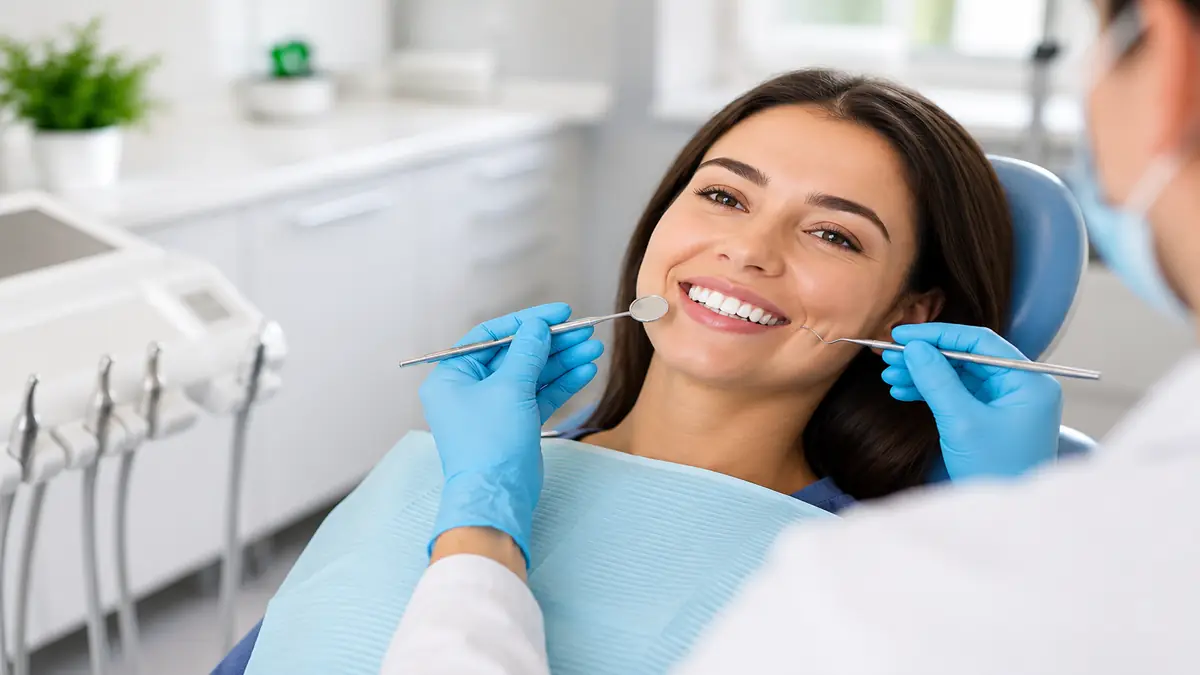

A healthy, attractive smile begins with two different goals: protecting oral health and improving tooth color. Professional dental cleanings remove plaque, hardened tartar, and surface stains, while whitening treatments address discoloration within the natural tooth structure.
For patients considering teeth cleaning in Plainfield, IL, routine visits also provide an opportunity to identify cavities, gum inflammation, damaged restorations, and other concerns before they become more difficult to manage.
Whitening can then be considered after the teeth and gums have been evaluated. This sequence matters because active decay, gum recession, sensitivity, or leaking restorations may affect whether whitening is appropriate.
Teeth Cleaning: What It Includes and Why It Matters
The Short Answer: Routine professional cleaning removes plaque, hardened tartar, and surface stains from areas home care may miss. It also allows the dental team to assess gum health, cavity risk, existing restorations, and changes requiring attention.
Dental plaque is a sticky bacterial biofilm that continually develops on the teeth. Brushing with fluoride toothpaste and cleaning between the teeth help remove plaque each day, but areas near the gumline, crowded teeth, and hard-to-reach surfaces can still be missed.
When plaque remains on the teeth, it can harden into calculus, commonly called tartar. Unlike soft plaque, tartar cannot be removed effectively with an ordinary toothbrush. Professional instruments are needed to remove it safely.
A routine cleaning, also called dental prophylaxis, may include:
- Reviewing changes in your medical and dental history
- Assessing the gums and visible tooth surfaces
- Removing plaque and tartar
- Polishing away certain surface stains
- Cleaning between the teeth
- Reviewing brushing and interdental-cleaning techniques
- Discussing fluoride, cavity risk, and future care
Professional cleaning supports home care rather than replacing it. Patients should continue brushing twice daily with fluoride toothpaste and cleaning between their teeth using floss or another dentist-recommended interdental device.
Dental Associates of Plainfield lists cleanings and gum disease treatment among its general dentistry services.
Deep Cleaning vs. Regular Cleaning: What’s the Difference?
The Short Answer: Regular cleaning is preventive care for generally healthy gums, while deep cleaning treats periodontal disease below the gumline. Scaling removes deposits from root surfaces, and root planing smooths those roots to support healing.
A regular cleaning is intended for patients whose gum tissue is generally healthy or who have mild inflammation without significant periodontal damage.
A deep cleaning, clinically known as scaling and root planing, is a therapeutic procedure used when periodontal disease affects the tissues supporting the teeth.
During scaling, plaque and tartar are removed from above and below the gumline. Root planing addresses contaminated root surfaces and creates a smoother surface that can support gum healing and maintenance. The treatment may require local anesthesia and may be completed over more than one appointment.
| Comparison Area | Regular Cleaning—Prophylaxis | Deep Cleaning—Scaling and Root Planing |
|---|---|---|
| Treatment Depth | Primarily cleans visible tooth surfaces and areas around the gumline | Cleans above and below the gumline, including affected root surfaces |
| Primary Purpose | Preventive maintenance and removal of plaque, tartar, and surface stains | Treatment of diagnosed periodontal disease |
| Ideal Candidate | Patient with generally healthy gums or mild, reversible inflammation | Patient with periodontal pockets, attachment loss, or other signs of gum disease |
| Average Frequency | Often scheduled about twice yearly, adjusted to individual risk | Completed according to diagnosis, followed by individualized periodontal maintenance |
Deep cleaning is not simply a more thorough version of routine polishing. It is prescribed based on clinical findings such as periodontal pocket measurements, bleeding, inflammation, tartar below the gumline, and evidence of tissue or bone loss.
How Often Do You Need a Professional Dental Cleaning?
The Short Answer: Six-month cleanings are common, but the correct schedule is based on individual risk. Patients with gum disease, frequent cavities, dry mouth, extensive restorations, or certain medical concerns may need more frequent preventive or maintenance visits.
Many patients attend routine appointments approximately every six months. However, there is no single cleaning schedule that is appropriate for everyone.
The dentist may recommend a different interval after evaluating:
- Gum health
- Cavity history
- Plaque and tartar accumulation
- Dry mouth
- Tobacco use
- Diabetes or other health conditions
- Orthodontic appliances
- Dental implants
- Crowns, bridges, or extensive restorations
- Ability to clean effectively at home
ADA resources support adjusting recall schedules according to an individual patient’s disease risk and oral-health needs rather than using one rigid interval for every person. Patients who have received periodontal treatment may benefit from more frequent maintenance, commonly within a three-to-six-month range depending on clinical findings.
Do not wait for a scheduled cleaning if you develop tooth pain, swelling, persistent bleeding, a broken restoration, or another urgent symptom.
Teeth Whitening Options: In-Office vs. Customized At-Home Kits
The Short Answer: In-office whitening uses professionally applied bleaching material for faster results, while customized take-home trays whiten more gradually under dental supervision. The best choice depends on sensitivity, discoloration type, timeline, restorations, and personal preferences.
Professional whitening is designed to lighten natural tooth structure. Dental Associates of Plainfield lists teeth whitening among its cosmetic dentistry services.
In-Office Teeth Whitening
Chairside whitening is performed in the dental office using professionally selected whitening materials. Protective measures are used around the gums and soft tissues, and the whitening material is applied according to the treatment protocol.
In-office treatment is often selected by patients seeking more immediate improvement or preparing for an event.
Customized At-Home Whitening
Dentist-supervised home whitening generally uses custom-made trays designed to fit the patient’s teeth. Whitening material is placed inside the trays and used according to specific instructions over several days or weeks.
This option produces more gradual changes and allows the dentist to adjust the treatment when sensitivity or fit concerns develop. The ADA recognizes both chairside whitening and custom take-home trays as professional whitening approaches.
Before whitening, the dentist should evaluate:
- Cavities
- Gum inflammation
- Gum recession
- Existing tooth sensitivity
- Cracks or damaged restorations
- The type and cause of discoloration
- Crowns, veneers, fillings, or bridges in visible areas
Whitening materials generally affect natural teeth but do not change the color of existing crowns, veneers, or tooth-colored fillings. This may create an uneven result when restorations are visible in the smile.
How Long Does Professional Teeth Whitening Last?
The Short Answer: Professional whitening is not permanent. Results may remain noticeable for months or longer, but coffee, tea, tobacco, aging, and other staining factors gradually affect color. Maintenance habits and occasional touch-ups influence longevity.
The duration of whitening results varies significantly between patients. Teeth may gradually become darker as they are exposed to staining foods, beverages, tobacco, and normal age-related changes.
To help maintain results:
- Brush twice daily with fluoride toothpaste.
- Clean between the teeth every day.
- Attend professional cleanings as recommended.
- Rinse with water after stain-producing beverages.
- Avoid tobacco products.
- Follow the dentist’s instructions for whitening touch-ups.
- Avoid using bleaching products continuously or more often than directed.
Whitening may temporarily increase tooth sensitivity or irritate gum tissue. Patients with existing sensitivity, cavities, gum recession, or active infection should speak with a dentist before beginning treatment.
Whitening also does not correct every type of discoloration. Teeth darkened by trauma, medications, internal changes, or existing restorations may require a different cosmetic or restorative approach.
Frequently Asked Questions About Routine Dental Care
The Short Answer: Routine care decisions depend on gum health, stain type, sensitivity, insurance terms, and cosmetic goals. A dental examination clarifies whether you need prophylaxis, periodontal treatment, whitening, restorative care, or another approach.
1. What is the average baseline cost of dental cleaning near Plainfield, IL for patients without insurance?
There is no single reliable fee that applies to every patient. The cost may depend on whether the visit includes an examination, diagnostic X-rays, routine prophylaxis, fluoride, or additional services. Deep cleaning is a separate periodontal treatment and is not priced like a standard preventive cleaning. Contact the office for a current estimate based on the services you need.
2. How do I know if I need a deep cleaning instead of a standard teeth cleaning Plainfield IL appointment?
A deep cleaning may be recommended when an examination identifies periodontal pockets, bleeding, tartar below the gumline, gum attachment loss, or bone changes. A routine cleaning is intended for preventive care when the supporting gum tissues are generally healthy. The decision requires a periodontal assessment and cannot be made from symptoms alone.
3. Why should I invest in professional teeth whitening near me Plainfield instead of drugstore whitening strips?
Professional care begins with an examination to determine whether whitening is appropriate. The dentist can evaluate sensitivity, gum recession, cavities, restorations, and discoloration type before recommending treatment. Store-bought strips may whiten some natural teeth, but they are not customized to your mouth and do not replace diagnosis or professional monitoring.
4. What clinical factors determine the overall professional teeth whitening dentist cost?
The final fee may depend on whether treatment is completed in the office or with custom take-home trays, the materials used, the number of sessions required, the complexity of the discoloration, and whether dental problems must be treated first. Insurance generally considers whitening cosmetic, so patients should verify benefits and payment responsibility directly.
5. Can a routine dental cleaning remove dark baseline stains, or is teeth whitening required?
A cleaning may remove surface stains caused by plaque, tartar, coffee, tea, tobacco, or other external factors. It does not bleach the natural color inside the tooth. When deeper discoloration remains after cleaning, professional whitening or another cosmetic treatment may be needed.
Schedule Your Cleaning or Whitening Consultation
Routine professional care can help protect your teeth and gums, while professionally planned whitening can improve brightness without overlooking cavities, sensitivity, or existing dental work.
Call our local Plainfield office today at (815) 436-4900 or request your appointment online at DentalPlainfield.com to schedule your professional teeth cleaning or whitening and reveal your brightest smile.