Loud snoring, repeated nighttime choking, morning headaches, dry mouth, and persistent daytime fatigue may be signs of more than poor sleep. They can indicate obstructive sleep apnea, a condition in which breathing repeatedly slows or stops because the upper airway becomes blocked during sleep.
For patients in Plainfield and the southwest Chicago suburbs who struggle with CPAP, dental sleep medicine may offer another path. A properly selected oral appliance can provide a quieter, smaller, and more portable treatment option for certain adults—but it must be used as part of coordinated medical and dental care.
The Hidden Dangers of Sleep Apnea
The Short Answer: Untreated obstructive sleep apnea repeatedly interrupts breathing and lowers oxygen during sleep. Over time, it can impair concentration and daytime alertness while increasing the risk of high blood pressure, heart disease, heart attack, and stroke.
Obstructive sleep apnea does more than cause snoring. Each breathing interruption can disturb normal sleep and force the body to repeatedly respond to reduced airflow. Patients may technically remain in bed for seven or eight hours but still wake feeling unrefreshed.
Common warning signs include:
- Loud, frequent snoring
- Pauses in breathing noticed by a partner
- Choking or gasping during sleep
- Morning headaches
- Dry mouth after waking
- Difficulty concentrating
- Irritability or mood changes
- Excessive daytime sleepiness
Untreated sleep apnea may affect memory, concentration, decision-making, and alertness. It is also associated with increased risks of high blood pressure, cardiovascular disease, heart attack, stroke, and other serious health problems.
Because symptoms happen during sleep, many patients do not recognize the condition themselves. A partner’s observations or a pattern of unexplained daytime fatigue may be the first reason to seek an evaluation.
Why Do You Snore? Understanding the Airway
The Short Answer: Snoring often occurs when relaxed tissues in the throat narrow the airway during sleep. As air moves through the restricted space, the tissues vibrate; greater collapse may partially or completely interrupt breathing in obstructive sleep apnea.
During sleep, muscles throughout the body relax, including those supporting the tongue and throat. In some people, the tongue, soft palate, or surrounding tissues move backward enough to narrow the airway.
Air moving through this smaller space causes tissue vibration, producing the sound of snoring. If the airway becomes significantly restricted or blocked, breathing may repeatedly pause until the brain briefly activates the body enough to reopen it.
Not everyone who snores has sleep apnea. However, loud habitual snoring combined with choking, witnessed breathing pauses, morning headaches, or severe daytime sleepiness should not be dismissed.
A custom snoring mouth guard may reduce snoring in selected patients, but snoring should be evaluated before treatment. Masking the sound without determining whether obstructive sleep apnea is present could leave a medical condition untreated.
How a Custom Dental Appliance Treats Sleep Apnea
The Short Answer: Oral appliance therapy uses a custom-fitted device that gently holds the lower jaw forward during sleep. This helps reduce upper-airway collapse and may treat diagnosed obstructive sleep apnea in appropriately selected adults who prefer it or cannot tolerate CPAP.
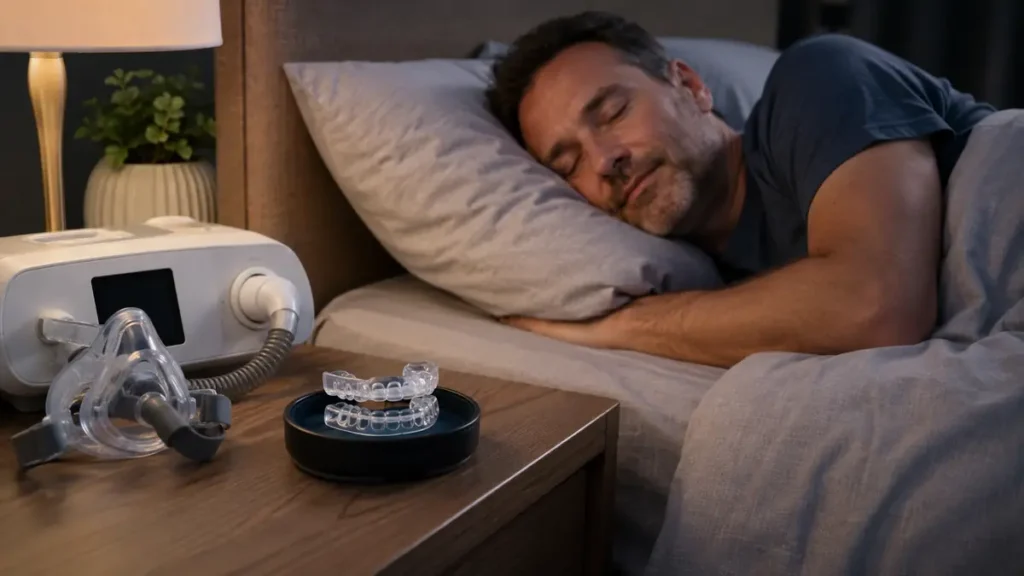
Oral appliance therapy uses a small device worn over the teeth while sleeping. Most sleep apnea appliances are mandibular advancement devices, meaning they support the lower jaw in a controlled forward position.
Advancing the jaw can help stabilize the tongue and surrounding airway tissues, creating more room for air to pass during sleep. The appliance does not supply oxygen or force air into the lungs.
Treatment usually involves:
- A medical evaluation and sleep study
- Diagnosis by a qualified medical or sleep provider
- Referral or prescription for oral appliance therapy
- A dental examination of the teeth, gums, jaw joints, and bite
- Digital scans or impressions
- Fabrication of a custom, adjustable appliance
- Gradual adjustment for comfort and effectiveness
- Follow-up sleep testing and ongoing dental monitoring
Professional guidelines recommend custom, titratable oral appliances rather than non-custom devices when oral appliance therapy is prescribed for an adult with obstructive sleep apnea. They also emphasize continued oversight by a qualified dentist and coordination with the treating physician.
Oral Appliance Therapy vs. CPAP Machines: Key Differences
The Short Answer: CPAP uses pressurized air to prevent airway collapse and is highly effective when worn consistently. Oral appliance therapy uses a small dental device to advance the jaw and may feel more convenient for selected patients, although effectiveness requires follow-up testing.
| Comparison Area | Oral Appliance Therapy | CPAP Machine |
| Mechanism of Action | Moves and supports the lower jaw forward to reduce airway collapse | Delivers pressurized air through a mask to keep the airway open |
| Device Size and Portability | Small, self-contained, and easy to transport | Includes a machine, tubing, mask, and power source |
| Noise Level | Silent during normal use | Modern units are generally quiet but still operate mechanically |
| Compliance/Usage Rate | Often preferred by patients who dislike masks; effective only when worn consistently | Highly effective when used correctly, although mask or pressure intolerance may reduce use |
| Overall Patient Comfort | No facial mask or hose, but requires healthy teeth and adjustment to jaw positioning | Does not reposition the jaw, but some patients experience mask discomfort, dryness, or pressure intolerance |
CPAP remains an important and highly effective treatment, particularly for patients with more severe disease or specific medical needs. Oral appliance therapy is not automatically better; its value depends on diagnosis, patient selection, nightly use, professional adjustment, and objective confirmation that breathing has improved.
Clinical guidelines support considering oral appliances for adults with obstructive sleep apnea who cannot tolerate CPAP or who prefer an alternative after discussing their options with a sleep physician.
How to Find Alternatives to a CPAP Machine in Plainfield, IL
The Short Answer: Finding a safe CPAP alternative begins with a medical diagnosis and sleep study. A qualified dentist then evaluates the teeth, gums, jaw joints, and bite before fabricating and adjusting a custom appliance in coordination with the treating physician.
Patients searching for alternatives to CPAP machine for sleep apnea should not begin by ordering a generic device online. The first step is confirming the diagnosis and understanding the severity and pattern of the condition.
A dentist can screen for warning signs, discuss oral findings, and refer a patient for medical evaluation. However, obstructive sleep apnea is a medical condition. Sleep-test interpretation and formal diagnosis should come from an appropriately qualified physician or sleep provider.
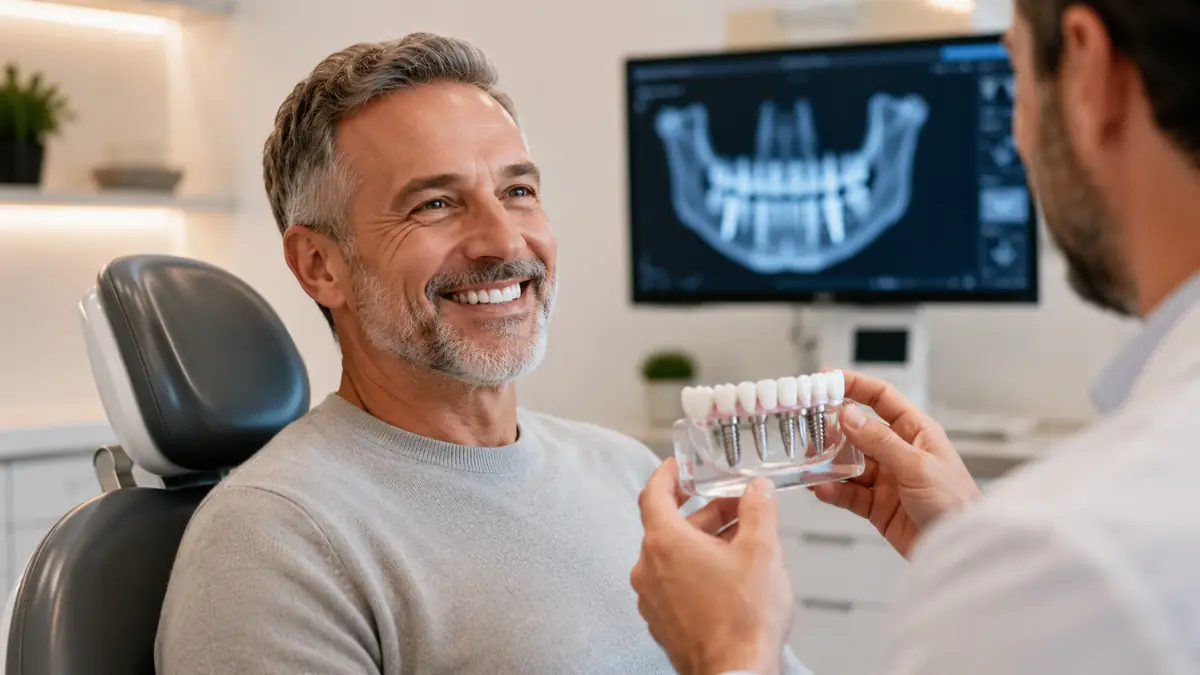
Once oral appliance therapy is prescribed or medically approved, the dentist determines whether the mouth can safely support the device. This evaluation may include tooth stability, gum health, existing restorations, jaw-joint symptoms, range of motion, and the relationship between the upper and lower teeth.
The appliance must then be adjusted gradually. Follow-up is essential because symptom improvement alone does not prove that breathing interruptions have been controlled. The treating physician may recommend repeat sleep testing to confirm effectiveness.
Frequently Asked Questions About Snoring and Sleep Apnea Solutions
The Short Answer: Sleep apnea care works best through collaboration among the patient, physician, sleep-testing provider, and qualified dentist. Diagnosis, appliance selection, follow-up testing, side-effect management, and insurance requirements can differ, so individualized evaluation is essential.
1. Can a sleep apnea dentist Plainfield IL officially diagnose obstructive sleep apnea?
A dentist can screen for symptoms, recognize oral risk factors, and coordinate a referral, but obstructive sleep apnea requires medical evaluation and appropriate sleep testing. A physician or qualified sleep provider interprets the study and establishes the diagnosis. The dentist then evaluates, fits, adjusts, and monitors an oral appliance when treatment is prescribed or approved.
2. What clinical variables influence the final custom sleep apnea oral appliance cost?
The sleep apnea oral appliance cost may depend on the device design, laboratory fabrication, digital scanning or impressions, dental examination, adjustment visits, medical documentation, follow-up testing, provider participation, and insurance benefits. A written estimate should explain what is included before treatment begins.
3. Is a custom snoring mouth guard significantly more effective than a generic over-the-counter mouthpiece?
Custom, adjustable oral appliances are designed around the patient’s teeth, bite, and jaw movement. Professional guidelines favor custom, titratable devices over non-custom appliances for diagnosed obstructive sleep apnea because they allow controlled adjustment, professional monitoring, and management of side effects.
4. What are the initial side effects of wearing a mandibular advancement device?
Early effects may include temporary jaw soreness, tooth tenderness, increased saliva, dry mouth, or a morning change in the way the teeth meet. Many concerns can be managed through adjustment and follow-up, but persistent pain or bite changes should be reported promptly.
5. Does medical health insurance or Medicare typically cover alternatives to CPAP machine for sleep apnea?
Coverage depends on the plan and whether medical-necessity requirements are met. Medicare may cover a qualifying custom-fabricated oral appliance under the durable medical equipment benefit when specific evaluation, sleep-test, diagnosis, device, and supplier criteria are satisfied. Commercial insurance rules vary, so benefits and authorization requirements should be verified in advance.
Explore a More Comfortable Path to Better Sleep
Struggling with CPAP does not mean you should leave sleep apnea untreated. A coordinated dental sleep evaluation can determine whether a custom oral appliance may be appropriate and help you understand the steps required for safe, monitored treatment.
Call our local Plainfield office today at (815) 436-4900 or request your appointment online at DentalPlainfield.com to explore comfortable alternatives to CPAP and reclaim your sleep.